
Graffiti

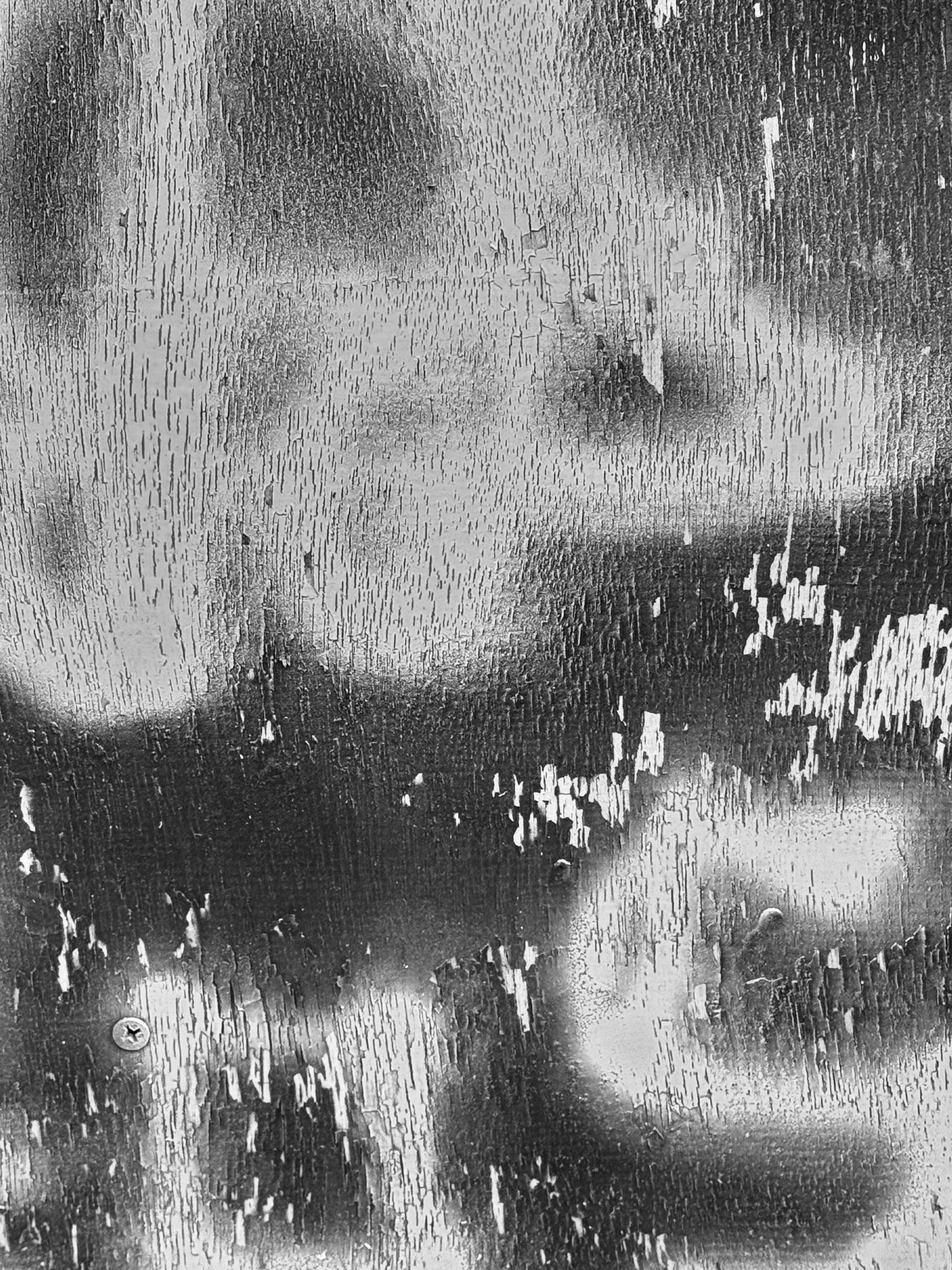
Art is everywhere. No matter where you go in the world, if you pay attention, you’ll see it.
I’ve been lucky enough to travel all over the world in my lifetime, and one of the things I’ve noticed in every city, every country, every urban area I’ve visited, is the graffiti. The tags. The murals. The spray paint. Whether you’re driving through a downtown area, passing under a freeway bridge, or watching train cars roll by with their sides marked up, it’s there. It’s always there.
Graffiti has roots that go back to the 80s, growing up alongside hip hop. The artists and the musicians were often the same people, or at least collaborators. It was all part of the same culture, and it grew into something that’s now worldwide. Using spray paint cans to create images, tag messages, and transform walls is a legitimate art form, even if not everyone sees it that way.
I want to be clear. I’m not a fan of defacing someone else’s property. That’s not what I’m celebrating. But whatever is already there, you see it. On freeways, bridges, old signs, abandoned buildings, warehouses, walls. And some of it is incredible.
I got closer to it when I was in Miami. In Wynwood, which has become one of the most well-known street art districts in the world, I met a few prolific artists who were out spray painting. Me being as curious as I am, I started asking questions. These weren’t people going out tagging and breaking the law. These were artists who do it for the craft, for causes, for art events, for commissions. They were able to show me techniques and share how they think about color, scale, and composition on a massive surface.
Seeing their murals painted across Miami, and knowing they do the same in cities all over the world, gave me a deep appreciation for what’s possible with a spray can. I have dear friends who are muralists and graffiti artists, and watching them incorporate spray paint into their work has always fascinated me.
I’ve dabbled in it myself. Learning some of the techniques, understanding how to control the can, how to layer colors, how to work on a surface that’s nothing like a canvas. It captures the imagination in a way that’s different from any other medium I’ve tried, because the scale alone changes how you think about what you’re making.
One of the things I love most about graffiti is that it’s ephemeral. It’s temporary by nature. A mural that took days to create might get painted over by someone else or covered up by the city. It exists for a moment, and then it’s gone. That gives it a quality that most art doesn’t have. If you see something you appreciate, take the time to appreciate it right then, because it might not be there the next time you pass by.
It makes you question what’s possible. Someone probably didn’t think they could paint a three-story mural until they did it. And I’ve seen many of those murals, in cities all over the world, created with nothing but spray paint cans and vision.
Next time you’re walking through an urban area, slow down. Look at the walls. Whether you like what you see or not, recognize that someone made something where there was nothing before. And they did it with a tool that costs a few dollars at the hardware store.